Back to Articles
Stainless Steel 2 min read
When to Use Duplex Stainless Steel in Corrosive Environments

Duplex stainless combines higher strength with better stress corrosion resistance. Learn which applications justify its cost and what to watch for in fabrication.

When to Use Duplex Stainless Steel in Corrosive Environments

What is duplex stainless steel?

Duplex is an alloy with two metallic phases in similar amounts: austenite and ferrite. This structure gives it roughly twice the yield strength of austenitic grades like 304 and 316, with high resistance to chloride stress corrosion cracking.

The most common grade is 2205, with higher grades (super duplex) for the harshest conditions.

Suitable applications

  • Tanks and vessels for chemicals and dilute acids.
  • Desalination and seawater equipment.
  • Oil, gas and petrochemical piping and equipment.
  • Ore processing lines in mining where corrosion meets abrasion.

Is it worth the cost?

Duplex costs more per tonne, but its higher strength often allows thinner walls, which lowers total weight and the real material cost. Once service life, downtime and replacement costs are counted, duplex is in many cases the more economical choice in the long run.

Fabrication challenges

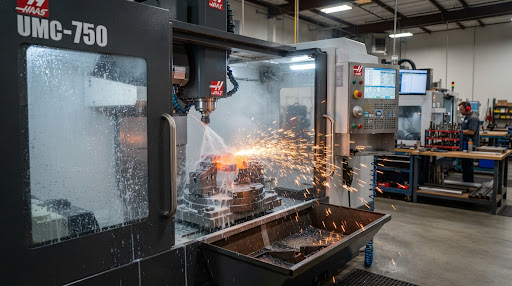
Welding duplex requires qualified welding procedures, careful control of heat input and interpass temperature, and the right filler metals to keep the two phases balanced. Fabrication should therefore be done by a shop with proven experience and documented tests on this alloy.

More Articles You May Like